>> Eat the World NYC: El Salvador
Showing posts with label El Salvador. Show all posts

13 February 2021

Nueva Puerta del Sol

EL SALVADOR 馃嚫馃嚮

COVID-19 UPDATE: Puerta del Sol’s Bay Ridge Avenue location has tented outdoor dining, while Nueva Puerta del Sol on 18th Avenue is open for takeout and delivery only. You can order online directly from their website.

EDITOR'S NOTE: Written by Joseph Gessert, photographed by Liv Dillon.

The Salvadoran pupusa is one of those perfect foods like burritos or a Trinidadian roti wrap that combine a little bit of everything into one nutritious bundle. Some carbohydrates, a little protein, some vegetable, crafted to add up to more than the sum of their parts. These super foods are what hamburgers aspire to be, without the part afterwards where you go straight to bed in a cholesterol haze.

Nueva Puerta del Sol’s pupusa loca ($12, below) is an unusual dinner-plate-size version of the classic pupusa, and combines a little bit of all the normal fillings, and then some: refried beans, cheese, zucchini, spinach, carrot, chicharr贸n, and loroco, the Central American bud and flower that is common in Salvadoran cooking. The toppings are sandwiched in a thin masa pancake, and the pupusa is then grilled until brown. The cheese as usual melts nicely into a solid crust as it oozes out of the masa.


Though Puerta del Sol’s pupusa itself is novel primarily for its size and variety of its fillings, you might also find yourself with a higher-than-usual ratio of curtido-to-pupusa, with the crunch and tang of the pickled cabbage cutting nicely through the rich base. Top that with your dash of tomato salsa, and this is a pupusa to remember.
 
Besides pupusas, Puerta del Sol also offers a scattering of Mexican and Italian dishes, as well as a full menu of Salvadoran dishes. A tamal de elote con crema ($3, below) is a simple sweet corn tamal served with a side of rich crema. The sweet and savory contrast beautifully, and the straight-forwardness of the corn flavor stands out nicely next to the complex flavors of the pupusa.


Nueva Puerta del Sol is in a particularly vibrant section of diversifying 18th Avenue. On one corner handpulled noodles, on the other a great old Bensonhurst Italian bakery, Villabate Alba. Within blocks are hotpot restaurants, Malaysian, Thai, Guatemalan, Albanian, and much more. 
 
This is one of the most interesting sections of Brooklyn, and Salvadoran cuisine is a welcome addition to the mix.

馃嚫馃嚮馃嚫馃嚮馃嚫馃嚮
 
Puerta del Sol:

I COULD USE YOUR HELP
Eat the World NYC is and always has been free. No advertisements block the content or pop over what you read. If this website has helped you explore your city and its wonderful cultures a little better and you have the means to contribute, please consider doing so. Eat the World NYC is a labor of love, but also takes a lot of money and time everyday to keep running.

You can Venmo me @JAREDCOHEE or click here to send PayPal donation, no account is necessary. Thank you!

29 January 2020

Puente Guanaco

EL SALVADOR 馃嚫馃嚮

If you have ever driven around Long Island, you know there are no shortages of pizza joints and small town seafood restaurants near the water to satisfy your hunger. The interior of the middle third of the island is also blessed with many people from Central America, El Salvador in particular, and because of that many restaurants serving the foods these recent transplants miss from back home.

While Hempstead is probably the western end of this axis, with a large amount of people surrounding the city, Central Islip and Brentwood form the major population center of the east. A bureaucratic visit to some government offices nearby recently afforded the opportunity for a hearty Central American breakfast at Puente Guanaco.


It was hard to resist a pupusa before breakfast though, this pupusa de queso y frijol ($2, above) was priced well for a working class clientele. In reality, there may be no food more undervalued as a pupusa around the world, but that is a larger argument. It pulled apart nicely with melted cheese and a thick layer of beans, beautiful in every way. A tupperware container of curtido, the pickled cabbage topping, was brought to the table with the plate, a mark of the real deal.

Puente Guanaco has plenty of good breakfast options, including the desayuno salvadore帽o ($11.50, below), which serves eggs scrambled with bell peppers and chorizo, fried beans, a block of queso fresco, avocado, and sweet plantains swimming in a luxurious sweet cream. Two thick freshly made tortillas come alongside to do with as you see fit.


If you have ever traveled in El Salvador, like its neighbors, you know that the foods involved are never flashy. Most everything is what is locally available and cooked with plenty of tradition. In addition to the items found on a plate like this, you would also eat tropical fruits like mango and sweet bananas alongside everything.

These tastes might seem simple to an outsider, but they are deeply familiar and desired by the people who have relocated elsewhere in the world. A plate like this will fill you up for the rest of the day, and that is part of the idea as well.


There are enough Hondurans in the area that the restaurant has added a few typical items you would find in this neighboring country as well. The flour tortilla made fresh for the baleadas con carne ($7.95, above) are thinner than most you will find, but still very tasty.

Each folded baleada contains an enormous amount of meat, beans, cheese and cream that tries to find its way out each end on every bite. Honestly, it should not be any other way.

馃嚫馃嚮馃嚫馃嚮馃嚫馃嚮
CENTRAL ISLIP Long Island
Puente Guanaco Menu, Reviews, Photos, Location and Info - Zomato

I COULD USE YOUR HELP
Eat the World NYC is and always has been free. No advertisements block the content or pop over what you read. If this website has helped you explore your city and its wonderful cultures a little better and you have the means to contribute, please consider doing so. Eat the World NYC is a labor of love, but also takes a lot of money and time everyday to keep running.

You can Venmo me @JAREDCOHEE or click here to send PayPal donation, no account is necessary. Thank you!

06 January 2020

EL SALVADORin

EL SALVADOR 馃嚫馃嚮

For the past two weeks, the new Central American residents of Sunset Park have all been convening at it's newest restaurant, the oddly named EL SALVADORin, which adds a small "in" to hopefully make light of the fact that most people incorrectly say the demonym another way. But regardless of their intentions with naming, the restaurant stands as a symbol for the third wave of what makes the neighborhood.

Since the 1960's and 70's, Sunset Park saw its predominantly European immigrants replaced by Puerto Ricans, who populated the western portion of the neighborhood. A more recent wave starting in the 1980's but accelerating in the 90's saw this part become much more Mexican in nature, with families from the state of Puebla making up a big portion of new residents and business owners. Most people from other parts of the city still describe the neighborhood by these terms today.


Quietly over the past decade or so, in addition to a few restaurants here and there, Central American-owned businesses have popped up offering money transfers and other services, and almost every Mexican grocery made sure to stock the goods that Guatemalans and Salvadorans were looking for to fill their homes.

As Industry City attempts to mine the neighborhood for profit and give nothing in return except to those already privileged, Sunset Park's thriving communities continue to say no and show there is another way. EL SALVADORin is not only a bustling restaurant with an expansive menu, it stocks products from the country and coffees from the region.


Since the restaurant is very new and getting its feet underneath it still, many folks have been checking it out and bringing their families. The kitchen runs in linear order of when checks come in, so do give them some patience if you arrive just after a big group. This happened on the first two visits, but without any rush was no big deal.

Both of these meals of course required pupusas ($2.50-$3, above and below), available in almost any variety imaginable and in both corn and rice flour version. As always, these are patted out freshly to order, and arrive piping hot straight from the griddle.

Pupusa de arina de arroz.

No matter which you order, a small side of curtido, a pickled cabbage topping, and light tomato salsa will arrive along with your pupusas, a hint of how to eat them. Most Salvadorans will use each sparingly, letting the disc and its ingredients play the marquee roles, but no one is going to scold you for dumping everything on top before digging in.

As noted, the rest of the menu is ambitious and tries to offer as much from the country's cuisine as possible. Small plate appetizers, soups, large plates, and desserts all have their own section. Come in the morning to summon your true Salvi self for a cup of hot coffee and a slice of quesadilla salvadore帽a, a sweet and dense cake (or is it bread?) made with cheese.


Weekend lunch time is perfect for soup options like sopa de gallina india ($13, above), a warming savory bowl full of root vegetables. You can ask for the hen to come on the side, a recommended decision that gets you a perfectly seasoned and baked leg to eat or add as desired.

Most plates will come with Salvadoran-style tortillas (seen in background of photo below), thicker than their Mexican sisters and almost like a small pupusa without fillings. These will line your stomach quickly but are a thoroughly enjoyable way to get beans and meats into your face. They come hot and fresh, but lose their character fast as they cool so start with them when attacking your meal.


Plates like salpicon de res ($14, above) are served with rice and beans or your choice of a few other sides. This "salad" of shredded beef, chopped onions, and tomatoes is served cold but perfect to wrap in those warm tortillas or simply alone with spoonfuls of rice.

Eating large pieces of meat is almost expected here based on the tables of others, whether in the form of a sandwich with thick slices of steak or chicken breast stuffed inside, or as a platter with rice and beans. Grilled shish kebab-like pinchos are a favorite, and grilled or fried whole fish can also be arranged.


In the mood for a simple plato t铆pico on the second visit, carne asada ($14, above) worked perfectly and provided for plenty of leftovers as well. The seasoning and tenderness make sure you do not need any condiments, bites are best with or without a little rice and beans.

Many antojitos that share names with Mexican foods are found throughout the Central American isthmus, sometimes similar and sometimes very different. Flautas de pollo ($6, below) turn out to be quite similar to Mexican flautas with a thin tortilla wrapped around meat and fried very crispy.


馃嚫馃嚮馃嚫馃嚮馃嚫馃嚮
SUNSET PARK Brooklyn
EL SALVADORin Menu, Reviews, Photos, Location and Info - Zomato

I COULD USE YOUR HELP
Eat the World NYC is and always has been free. No advertisements block the content or pop over what you read. If this website has helped you explore your city and its wonderful cultures a little better and you have the means to contribute, please consider doing so. Eat the World NYC is a labor of love, but also takes a lot of money and time everyday to keep running.

You can Venmo me @JAREDCOHEE or click here to send PayPal donation, no account is necessary. Thank you!

24 September 2019

Weekend Pupusa Stand at Iglesia La Luz del Mundo

EL SALVADOR 馃嚫馃嚮

Maybe the schedule is announced after church services, or maybe on a bulletin board somewhere. The formula that seems to work is a combination of good weather and weekend afternoons, but the pupusa stand is sometimes up and running on Friday evenings and sometimes nowhere to be found on a beautiful Sunday.

With that being said, when found, the grill always has a healthy crowd around it. The process goes fairly quickly despite lines and watching pupusas being made is fun anyways. The team here works together to keep things moving and to fulfill sometimes very large to go orders of a dozen or more pupusas.


When you get to the front of the line and order, they will usually have what you want ready or almost ready on the grill, but if not a warning of 10 minutes or so to wait might come. Masa is extracted from their cooler, ingredients stuffed inside and the whole thing is flattened out by hand before being placed on the grill.

An order to go will always include a little sandwich bag of their homemade curtido, the pickled cabbage that always accompanies pupusas, and non-spicy tomato salsa.


A pupusa's half life is quite short though, so order one or two ($2.50 each) to stay and eat amongst the crowd. When doing this, the condiments are all self serve, so grab some curtido from the giant tub and add whatever salsas you choose. They will warn you against the green unless your face looks like someone who enjoys heat, but it's actually not all that spicy.

It may take a bit of time to cool down enough, but for the most enjoyment eat a pupusa with your hands as intended. This makes standing up less of a problem since no cutting is necessary. The bean and cheese option below is just about perfect for spending a little time with your neighbors. Spirituality is a personal thing, but even those not coming from a service inside will feel a higher power.


馃嚫馃嚮馃嚫馃嚮馃嚫馃嚮

24 June 2019

Las Tunas Restaurant

EL SALVADOR 馃嚫馃嚮

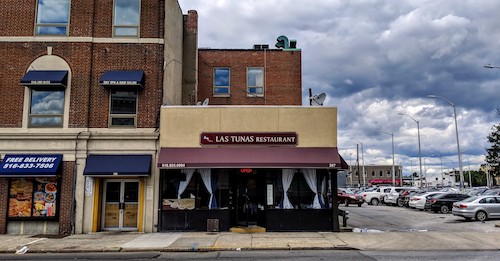
For the international holidaymaker, Playa Las Tunas in the far southeastern region known as Playas Negras, the sands and sea are probably too mundane to create any interest. As the name of the larger region suggests, these are not white sand beaches and have thus not attracted large investment. The Pacific Coast of El Salvador has a beach for any attitude and budget, and Las Tunas remains a haven for Salvadorans wanting to spend time at the sea, eat some terrific seafood, and do it all with limited resources.

For this reason, it was one of the most memorable spots from a slow-paced trip to the country over ten years ago. Souvenir shops and seafood shacks were focused on middle class Salvadorans bringing their families, prices were great, and there was always an extra warm welcome for the tourist from New York City that seemingly stumbled accidentally into town.

Pre-meal snack of fried tortillas with beans and cheese.

Las Tunas is the type of place that is kept in the front of memories of a country that nowadays is spoken about through the prism of outside news and horrific stories. It was these recollections of smiling faces and friendly folks that made Las Tunas Restaurant so appealing and worth a visit to Hempstead, a city about an hour away on the Long Island Rail Road.

Hempstead is known for a large Central American population, which might be most obvious at their annual Central American parade on September 15th that celebrates the independence of Guatemala, El Salvador, Honduras, Nicaragua, and Costa Rica. Over 10,000 people attend this event, many coming from further out on Long Island and Suffolk County.

There is a suggestion of these other nations on the awning of Las Tunas, with a map and flags of the region, but besides some baleadas the menu focuses on the food of El Salvador.


Surrounded by big and bright windows with blue and white curtains and tables that replicate the colors of the flag, an order of pupusas (above) was the highlight of the meal. Always economical, these were even more so than places back in New York City, the corn versions (right) sold for just $2. Pupusas cannot be premade, so you always know it will be fresh. This makes the low prices even more of a head-scratcher, and I wonder when the day will come that Salvadoran chefs will be able to charge what they truly deserve.

Pupusas made from rice flour (left) come with a 50 cent surcharge but are not as good. Any future visits will stick to the corn flour versions, which they do very well.


Despite being 90 minutes into the afternoon, this meal was the first of the day and so a plate of fried plantains with cream (above), usually a breakfast item, was also ordered.

The menu is generous with plates of meat, rice, and beans, served Central American style with avocado and cheese, but on this day there were 25 kilometers to go by foot so the meal was kept "light."

馃嚫馃嚮馃嚫馃嚮馃嚫馃嚮
Las Tunas Restaurant Menu, Reviews, Photos, Location and Info - Zomato

19 June 2019

El Paso Centroamericano

EL SALVADOR 馃嚫馃嚮

My first experience with quesadilla salvadore帽a came almost 15 years ago shortly after crossing the border with Honduras and sitting down for a coffee after a grueling overnight international bus trip. In the charming city of San Miguel, under the watchful eye of the nearby volcano with the same name, I pointed to the last piece left under a fly screen. After my order at around ten in the morning, they had already sold the lot.

I was too tired to inquire what I was ordering, it had just been far too long since I had previously eaten and still hours away from being able to unload my backpack in the guesthouse I would be staying. By the look of it not a lot of hope was inspired, but that quesadilla ended up giving me life and has to this day been an automatic order whenever I see it on the counter at a Salvadoran restaurant.


Much different than its more famous namesake to the north, quesadilla salvadore帽a ($2, above and below) is actually bread and more often is thicker than the version served here. It usually appears more like a small loaf, but what makes it quesadilla is the prominent use of cheese, specifically finely grated queso fresco. Made slightly sweet by sugar and cream, its natural place in life is to be served alongside a cup of coffee.

On that trip, I found many different versions and varieties, quesadilla changes from north to south and east to west in the small nation. Each family or bakery or coffee shop will have their own recipe. Most have the thicker consistency of pound cake, sometimes with burnt edges like the thin cake here.


If you have room for more, try another Salvadoran antojito that differs from the Mexican version, the enchilada (below). A puffed up and fried tortilla is topped with meats, cheese, and pickled cabbage. Sometimes you see this with an egg on top as well, but they did not serve it that way here.


This visit coincided with the first match of the Women's World Cup, which some of the other patrons were getting into. This made it an easy decision to order a few bottles of Pilsener, El Salvador's nicest export beer. Pupusas are also popular here of course, most other customers who came in ordered plates of them in both corn and rice versions.

Next time you are uptown and need a Salvadoran fix, this is your spot.


馃嚫馃嚮馃嚫馃嚮馃嚫馃嚮
Mi Paso Centro Americano Restaurant Menu, Reviews, Photos, Location and Info - Zomato

22 May 2019

Usulteka Pupuseria

EL SALVADOR 馃嚫馃嚮

When you are merrily walking east down Jamaica Avenue on the first actual warm day in spring, through a few block stretch that is mostly auto repair and smog check shops, a pupusa stand with outdoor seating may just be the only thing in the world worth a detour. Who cares that you were on your way to other meals? This demands your attention now, so get to the counter and order as many of these Salvadoran snacks as you see fit. You can think of an excuse why you are not hungry while sipping on their homemade horchata.

From the look of their Facebook page, the stand has grown up a bit since it's birth last summer. In three photos uploaded from what can be presumed was around the opening of the operation, an open air grill was right at the corner. This year they have taken over a larger chunk of the auto body shop's real estate and fenced in a small seating area. A colorful tourist bus much like the party wagons found in some Latin American cities provides a boundary, and the cooking has moved to a permanent and sheltered structure.


Like Sunset Park's Usuluteco restaurant, the name here is a reference to someone from the southeastern Salvadoran city of Usulut谩n. This visit took place shortly after noon, but a short conversation with the proprietor revealed that despite being open at 10am every morning, the real business is to be had in the evenings and late at night. On weeknights you can eat pupusas here until 2am and on Friday and Saturday the stand remains open until 5am. She pointed out a couple places that have crowded bars in the area, and since Jamaica also has a thriving and growing population of Central Americans coming home at all hours, the stand serves both types of hunger.

On a warm summer night, after a few drinks, there must be few places more comfortable and satisfying than the benches here at Usulteko. Pupusas ($2.25 each, below) are perfect for filling your belly with something heavy and greasy to counteract the effects of alcohol, but to be honest they did just as well perfectly sober on this day.


Most of the standard options are available, and each of the corn (no rice versions here) discs is stuffed and prepared to order with ample filling. A tomato salsa and curtido, the fermented cabbage used liberally to top each bite, are added by the house, but certainly more could probably be obtained if necessary.

While pupusas are meant to be eaten by hand, a plate arrives piping hot so be careful. The chicharr贸n and frijol versions seen here, both with cheese, were excellent and some of the most delicious eaten in the city. Did this have anything to do with the excitement and environment found here on the corner of 180th Street and Jamaica Avenue? Certainly possible, but this is all part of what makes eating so wonderful to begin with.

Waiting to cool.

馃嚫馃嚮馃嚫馃嚮馃嚫馃嚮

13 November 2018

Marina Restaurant

EL SALVADOR 馃嚫馃嚮

The busy business district of Jamaica Queens between Hillside Avenue and the LIRR tracks has so much swirling around that it is hard to call it an enclave of any one type of people. South Asians and Caribbeans make themselves known with many shops and restaurants, but in the past ten years a growing population of Central Americans has also led to a number of new Guatemalan, Honduran and Salvadoran eateries.

Marina Restaurant is a Salvadoran spot and is one of the longest running during this time, around for the better part of the decade. I finally had the chance to stop by for breakfast recently and found the atmosphere warm and welcoming.


The namesake desayuno marina ($7.95, above) is a good sampler, arriving with two cheese-filled pupusas, a portion of casamiento (rice and beans cooked together), a tiny sausage and block of cheese. A small bowl of pickled cabbage curtido arrives before everything no matter what you order, but use generously with your pupusas.

Alternatively, Marina also sells the donut-like nuegados, deep fried and sweetened balls of corn flour dough. Traditionally these are enjoyed with chilate, a roasted corn and cocoa drink that can be spiced in many ways. Since technically breakfast time had long passed, I was in the mood for a licuado de guanabana ($3, below).


馃嚫馃嚮馃嚫馃嚮馃嚫馃嚮
Marina Restaurant Menu, Reviews, Photos, Location and Info - Zomato

13 September 2018

Tierras Centro Americanas

EL SALVADOR 馃嚫馃嚮
GUATEMALA 馃嚞馃嚬
Central American Independence. Photo by Sasha Maslov for The Queens Tribune.

This article originally appeared in the 13 September 2018 issue of The Queens Tribune.

When I first sampled the thick stews of Guatemala at this location almost 15 years ago, I could never have known how finding them in restaurants could be so elusive. So rare in fact that later that year on a trip through Central America, I found myself constantly hearing “Ese es un plato que solo comemos en casa” in restaurants throughout Guatemala.

“We only eat those foods at home.”

The wildly enjoyable joc贸n and hilachas at what then was called “La Xelaj煤” are almost unheard of in restaurants in the New York City area. Only one other time had I found a rendition of hilachas across the Hudson River, but this only made the yearning more fierce as it seemed no love had been put into the plate at that restaurant.

Thankfully for over 20 years the specials here at what is now Tierras Centro Americanas have stayed wonderfully steady despite one change of hands. Current owner and chef Maria Escobar took over in 2006 and employed its former chef for two years to pass down the Guatemalan recipes she was less familiar with. Hailing from El Salvador but living in New York City since the early 1980’s, Ms. Escobar decided the menu should keep its focus on an integrated cuisine that represented both countries and also catered to Hondurans in the area. This recipe for success and a commitment to quality have led to a consistency that is quite rare in restaurants. In over two dozen visits I do not remember an off day from this kitchen.

Joc贸n. Photo by Sasha Maslov for The Queens Tribune.

Around the corner from Hillside Avenue and hidden from the busy thoroughfare, this Jamaica mainstay is very much unhidden to its Central American regulars. Not much else has changed since those first visits besides fresh coats of white and light blue paint to represent the many flags of Central America and probably some new handicrafts for the walls. Over time what was originally $10 on the menu may have been crossed out and have $11 hand-written instead.

Primarily used for the storage of menus and drinks, the room you enter from 168th Street also has a couple chairs for waiting takeout customers and you can peek into the small kitchen and catch glimpses of the chef in action. As you take your seat in the dining room, the only access to the kitchen is audible, where during slower mid-afternoon times you can almost hear every rattle and clink of your meal being prepared.

Big hearty plates are served to couples, solo diners looking weary after long days of work, and groups of men who come in and enjoy a table full of Coronas or Cerveza Gallo, Guatemala’s biggest beer which goes by the name “Famosa” in the states. The joc贸n (above) comes in a large bowl accompanied like most Guatemalan dishes with thick homemade corn tortillas. The dish has its roots in Mayan culture and cuisine, still very prevalent in Guatemala more than any other place. Tomatillos have been discovered to be a very important ingredient of this ancient civilization and they have a heavy influence in the stew. In addition the wonderful green is created by adding cilantro, green peppers, and jalape帽os. Toasted pumpkin seeds called pepitos, garlic, and onions provide the rest of the palate.

Salpic贸n. Photo by Sasha Maslov for The Queens Tribune.

Take caution with the tortillas which are not only piping hot but have a quick way of filling the belly. Put them close to your nose and enjoy the wonderful smell once they cool down, but save room for hilachas, a shredded beef stew made with a base of ripe tomatoes, and salpic贸n (above), a pan-Central American beef salad served cold with chopped onions, cilantro, tomatoes, and non-spicy peppers. Another typically Guatemalan dish is revolcado, which can be prepared in many ways but always involves the interior parts of the animal involved in its preparation. Here the brief English menu description is “chopped cow heart and pork in homemade brown sauce,” but without knowing the cuts could be mistaken for tender beef. In addition to these more intricate dishes, the workaday meals found on Guatemalan lunch menus daily like pepi谩n, another meat stew with Mayan heritage, and garnachas, an appetizer similar to Mexican tostadas consisting of a fried tortilla topped with meat, onions, and tomato sauce.

Pupusas revueltas. Photo by Sasha Maslov for The Queens Tribune.

Many of the other tables you see will be Salvadoran people ordering stacks of Ms. Escobar’s excellent pupusas (above), perhaps the most recognizable symbol of that country’s cuisine but eaten by more than just Guanacos. Groups of men devouring them might ask for the lone TV to be switched over to La Liga matches, but usually a talk show or drama will be on in competition with the jukebox if someone puts on a song. At the back with the jukebox is the most prominent work in the restaurant, a handmade mural celebrating September 15th, 1821, the day El Salvador and Guatemala, along with Honduras, Nicaragua, and Costa Rica all became independent from Spain. For hundreds of years the histories and cuisines of these nations have been tied together, and often this translates in New York City into restaurants like this that can satisfy the cravings of each of these peoples.

You will still find the name “Xelaj煤” on the menu, an ode to the roots of the restaurant and its food. This Mayan word derived from the phrase “under ten mountains” and used to be the name of what now goes by Quetzaltenango in the highlands of Guatemala. In New York City, Tierras Centro Americanas is the fastest way to get to “Xela,” the nickname residents still use for their city.

The previous Eat the World NYC article from 14 August 2009 can be found here:
http://www.eattheworldnyc.com/2008/11/tierras-centro-americanas.html

Photo by Sasha Maslov for The Queens Tribune.

馃嚫馃嚮馃嚫馃嚮馃嚫馃嚮馃嚞馃嚬馃嚞馃嚬馃嚞馃嚬